Paying $14 for Three Bites: The Real Math Behind the Lounge Appetizer

Photo by Photo by Joel Aguilar on Unsplash on Unsplash
Let's just say it out loud: you paid fourteen dollars for something that would fit in the palm of your hand. Three croquettes. A smear of whipped feta. Six pieces of something fried and gorgeous, arranged on a plate the size of a frisbee.
And you know what? You'd probably do it again next Friday.
The knee-jerk reaction is to call it a ripoff. But if you actually run the numbers — the real ones, not the ones in your head while you're staring at the menu — the lounge appetizer economy starts to make a strange kind of sense.
What Fourteen Dollars Actually Buys You
Picture two Friday nights.
Night one: the chain restaurant. You and a friend split a $12 appetizer sampler — mozzarella sticks, spinach dip, the works. It arrives in seven minutes. It's fine. You eat it in eleven minutes while a TV plays a game neither of you is watching. Total food damage with entrées and tip: around $70.
Night two: the lounge. You order the $14 burrata with charred bread, a $13 plate of lamb meatballs, and one $9 flatbread to split. Three plates, staggered over an hour and a half. Same roughly $70 when you add drinks and tip — except you never had to order entrées at all, because the small plates did the job.
Same spend. Wildly different night. That's the trick nobody advertises: the small-plate spread isn't more expensive per minute of enjoyment. It's often cheaper per hour than the entrée-plus-sampler model, because it stretches.
So Why Does the Sticker Still Sting?
Because you're not pricing food. You're pricing food per unit.
The chain appetizer trains you to evaluate cost by weight. The lounge is pricing by craft, time, and the room you're sitting in. That burrata came in on a Tuesday flight. The person plating it spent actual minutes on it — char, drizzle, flaky salt, done with intention. The kitchen isn't a factory line pumping out identical plates; it's a small operation doing finicky work.
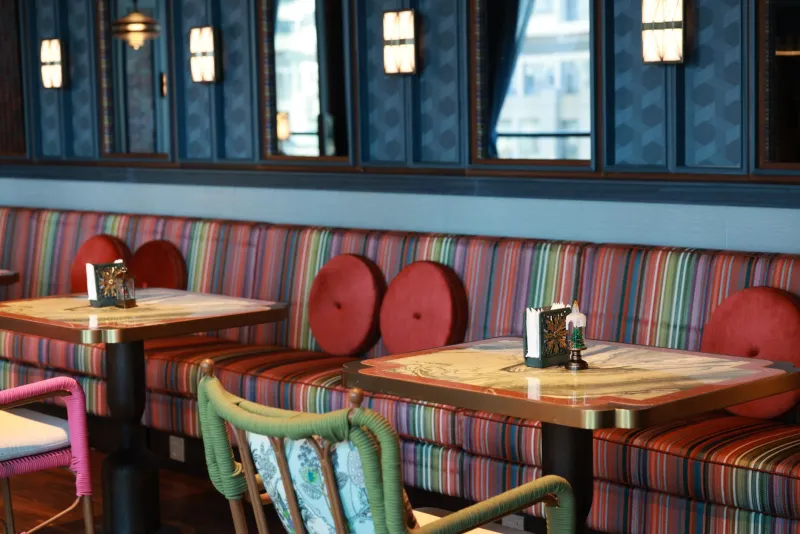
Then there's the invisible line item: the space itself. Low lighting, a decent sound system, a server who isn't trying to flip your table in forty-five minutes. Lounges make money on occupancy time, not table turns. That $14 plate is partly rent on the two hours you're about to spend in a room that feels good.
You're not buying three bites. You're buying permission to stay.
The Pacing Is the Product
Here's the part that took me years to articulate: small plates force a rhythm that big entrées kill.
When one giant pasta bowl lands, the meal is a race — eat it while it's hot, done in twenty minutes, now what? When plates arrive one at a time, conversation has a metronome. Talk, bite, react, order the next thing. The menu is basically a conversation facilitator wearing a food costume.
Compare that to the sampler basket, which arrives all at once, demands immediate attention, and then just... sits there congealing while you argue about the movie you saw.
When It's Actually NOT Worth It
Honesty requires this section.
The small-plate model can be a scam when it's a cover story. If a place is charging $16 for five shrimp with no craft, no pacing, and a room that feels like a dentist's waiting area with candles — that's not an economy, that's a tax on vibes. The formula only holds when all three ingredients are present: real kitchen work, deliberate pacing, and a space worth lingering in.
Take away any one of those and you're just paying a premium for less food. Full stop.
The Verdict
The $14 appetizer isn't a ripoff or a revelation. It's a different transaction entirely — one where you trade quantity for duration. If your goal is maximum calories per dollar, the lounge loses every time, and you should absolutely go get the combo platter.
But if your goal is a two-hour night where the food arrives like chapters in a story you're telling with your friends? The math suddenly tips. You're not paying fourteen dollars for croquettes.
You're paying it for the evening they come attached to.
And honestly? At today's prices, that's a deal.