Read the Room, Then Read the Menu: A Real Guide to Ordering Confidently at Any Lounge
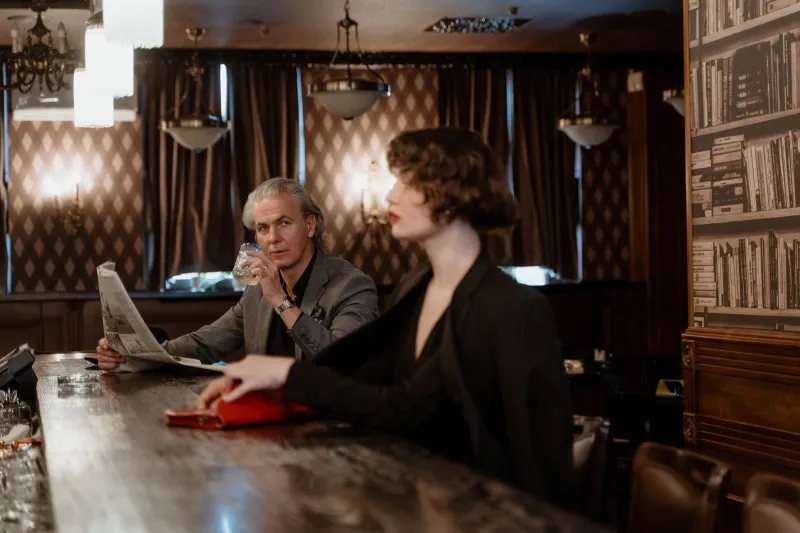
There's a specific kind of panic that sets in when the server materializes at your table before you've even cracked the menu open. You scan the page, spot six words you don't recognize, and default to the safest thing on the list — probably something you've had a hundred times before. Sound familiar? Yeah. It happens to almost everyone.
Here's the thing: ordering well at a food lounge isn't about being a culinary expert. It's about knowing how to navigate the experience, ask the right things, and stay open to what the kitchen actually wants to put in front of you. Once you get comfortable with that, the whole lounge dynamic shifts.
Stop Treating the Menu Like a Test
The first mental block most people need to drop is the idea that not knowing something is embarrassing. Lounge menus — especially at independent spots — are often built around seasonal ingredients, regional techniques, or the chef's personal obsessions. They're not trying to trick you. They're just excited about the food.
When you see a term that doesn't ring a bell — gremolata, beurre blanc, sofrito — don't skip past it. That's usually where the interesting stuff lives. Ask your server. Seriously. A good lounge trains its staff to talk about the food with genuine enthusiasm, not scripted bullet points. "Hey, what's the gremolata situation on that dish?" is a perfectly reasonable question. Most servers will light up when you ask.
Also worth noting: the description length on a menu is usually proportional to how proud the kitchen is of that dish. A short, confident name — "Smoked Lamb, Charred Onion" — often signals a dish the chef trusts to speak for itself. A longer description is the kitchen walking you through something layered. Both are worth your attention.
The Chef's Special Is Not a Gimmick
A lot of diners treat the nightly special like a sales pitch — something the restaurant is trying to move before it goes bad. That's a cynical read, and it's usually wrong. At a food lounge worth its salt, the special exists because someone in that kitchen found something exceptional at the market that morning, or they've been testing a preparation they finally feel good about.
The special is often the freshest, most alive thing on the menu that evening. It's also where you get a read on the kitchen's actual range. If the lounge runs Caribbean-leaning comfort food but tonight's special is a miso-braised short rib, that tells you something about the chef's background and ambition. Ordering it is a way of saying you're paying attention — and kitchens notice.
If the server can't tell you much about the special beyond reading you the description, that's information too. A lounge with a well-trained floor staff will be able to tell you where the protein came from, what the inspiration was, or at least what it pairs well with on the drink menu.
Learn to Talk About Flavor, Not Just Food
Here's a move that will immediately upgrade your ordering game: instead of saying "I'll have the salmon," try telling your server what you're in the mood for. "I want something with a little richness but not too heavy" or "I've been craving something bright and acidic tonight" gives a good server actual information to work with.
This isn't pretentious. It's practical. Lounge menus often have more flexibility than they appear to on paper. Sauces can be adjusted, proteins can sometimes be swapped, and a server who knows you want something herbaceous and light can steer you away from the dish that's secretly swimming in cream. You just have to open the conversation.
It also helps to know a few basic flavor vocabulary words:
- Umami — that deep, savory, almost meaty richness (think mushrooms, soy, aged cheese)
- Bright — high-acid flavors that cut through fat (citrus, vinegar, fermented elements)
- Earthy — rooted, grounding flavors (beets, lentils, certain mushrooms, root vegetables)
- Funky — fermented, aged, or pungent notes that add complexity (blue cheese, kimchi, fish sauce)
You don't need to use these words like a textbook. Just knowing them gives you a language to communicate preference, which is all ordering is really about.
The Hidden Gems Are Usually in the Middle
Most menu engineers — yes, that's a real job — know that diners tend to gravitate toward the top of a section and whatever's priced in the middle. The dishes that get overlooked are often the ones tucked in the center of the list or sitting quietly between two more familiar options.
At food lounges specifically, the "support" items — the sides, the small plates, the add-ons — are frequently where the kitchen flexes hardest. A plate of roasted seasonal vegetables or a house-made hot sauce offered as an add-on might be the dish someone in that kitchen is most proud of. Don't ignore the margins of the menu.
Also: if something has been on the menu for years without changing, there's a reason. Regulars fought for it. That's worth knowing.
One Last Move: Trust the Pairing
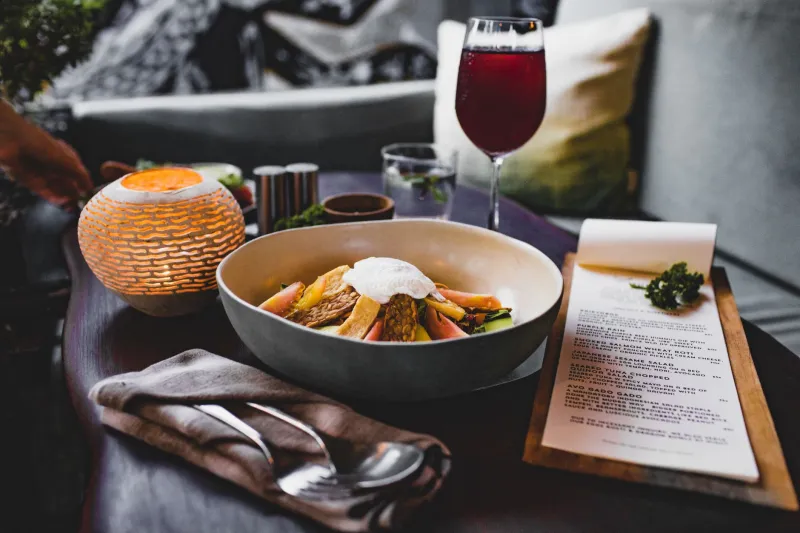
If the lounge has a cocktail or wine list with suggested pairings, take them seriously. Someone thought about that combination — probably the beverage director and the chef together, over multiple rounds of testing. Following a suggested pairing isn't lazy; it's giving credit to people who know the menu better than you do.
And if you're unsure what to drink with what you ordered? Ask. The right answer from a good lounge is never "whatever you want." It's a genuine recommendation that makes the food taste better. That's the whole point of being here.