Slow Food, Loud Flavor: What Happens to Your Taste Buds When You Finally Stop Rushing
You've had that moment. You order something at a counter, eat it standing up or hunched over your steering wheel, and it's fine. Decent, even. Then a few weeks later, you get the same dish — same kitchen, same recipe — but this time you're sitting somewhere comfortable, the lighting is warm, and nobody's waiting on your table. Suddenly, it's one of the best things you've ever eaten.
That's not nostalgia. That's not a fluke. That's your nervous system finally doing its job.
Lounge culture has always operated on a kind of unspoken philosophy: slow down and everything gets better. But it turns out there's hard science behind what feels like a vibe. The intentional deceleration baked into lounge dining — the deep booths, the unhurried service, the low hum of a good playlist — isn't just atmosphere. It's neurological engineering.
Your Brain Is Your First Stomach
Before food ever hits your tongue, your brain is already processing it. Stress hormones like cortisol and adrenaline — the same ones that spike when you're eating on a deadline or scarfing something down between meetings — actively suppress the areas of your brain responsible for sensory pleasure. Taste perception, it turns out, is a luxury your body reserves for moments of safety.
When you're relaxed, your parasympathetic nervous system kicks in. Digestion improves. Saliva production increases, which matters more than most people realize — saliva is the delivery mechanism for taste compounds. More saliva means more flavor molecules reaching your taste receptors. In practical terms, a calm eater is a more sensitive eater.
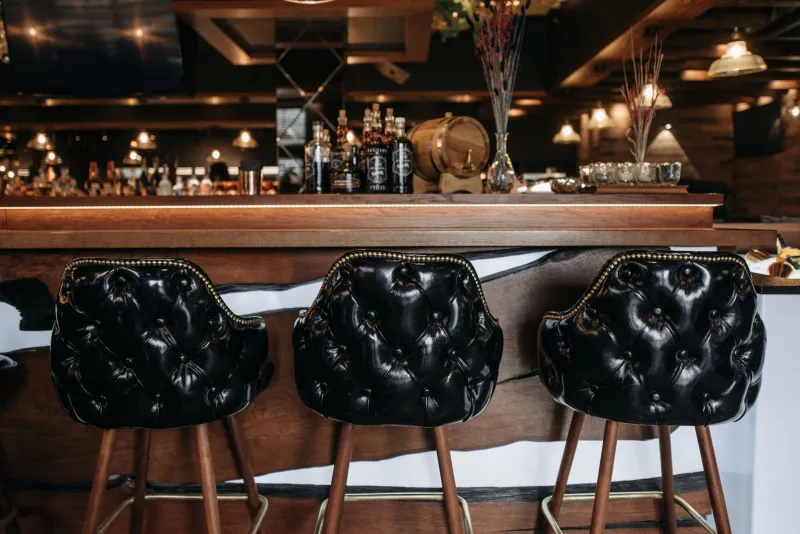
Lounge environments are designed, consciously or not, to trigger exactly this state. Dim lighting signals your brain to slow down. Plush seating reduces physical tension. A longer menu with small plates encourages deliberate pacing instead of a single rushed transaction. The whole setup is a slow-release relaxation mechanism — and flavor is what you get in return.
The Architecture of the Unhurried Meal
Walk into most fast-casual spots and the design is working against you. Hard surfaces bounce sound around the room. Bright overhead lighting keeps you alert and slightly on edge. Tables are positioned close together, creating low-grade social anxiety. There's an invisible clock ticking from the moment you order.
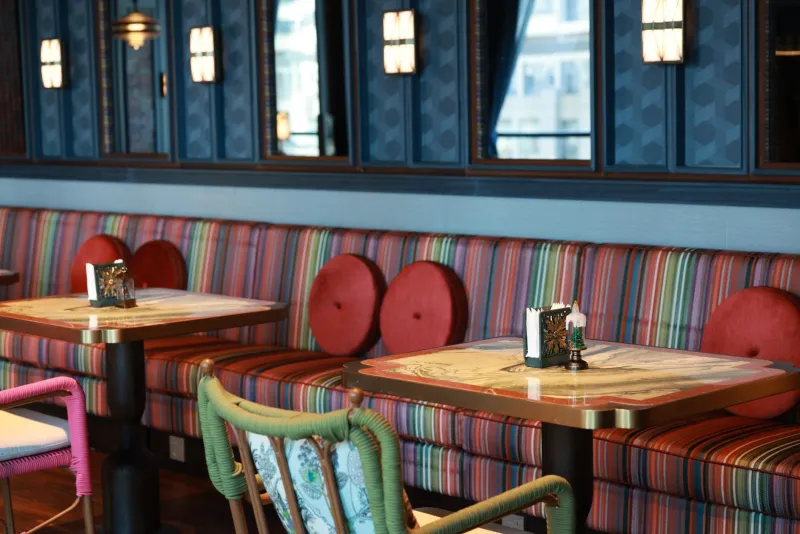
Now walk into a well-designed lounge. The ceiling is lower or the lighting breaks the room into pockets. Music fills the space but doesn't dominate it. The seating pulls you in rather than perching you on the edge. Nobody's hovering. The message the room sends is simple: you're supposed to be here for a while.
Restaurants that have leaned into this design philosophy — think upscale cocktail bars with food programs, or the new wave of American dining lounges popping up in cities like Nashville, Atlanta, and Denver — have started to notice something interesting. Guests don't just stay longer. They rate the food higher. They order more. They come back.
It's not manipulation. It's alignment. When the environment matches the experience the kitchen is trying to create, everything lands harder.
The Permission to Linger Changes Everything
One of the most underrated psychological dynamics in dining is permission. Not permission in a formal sense, but the ambient signal that says you're not in the way, you're not being rushed, this table is yours for the night.
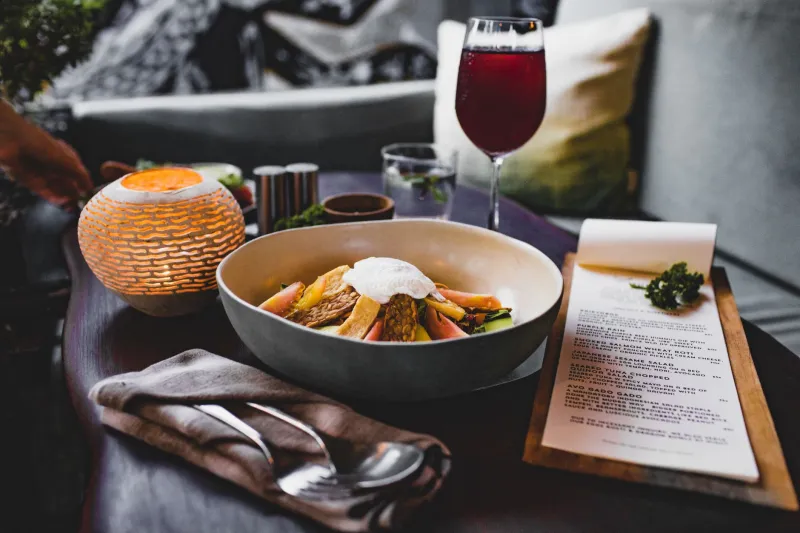
In a lounge setting, that permission is structural. It's in the way the server checks in without hovering. It's in the fact that the menu is built around sharing and pacing — a couple of small plates now, maybe something else later, another round whenever you're ready. The meal isn't a transaction with a defined endpoint. It's a session.
Psychologists call this "psychological safety," and it has measurable effects on sensory experience. When people feel unhurried and unobserved, they engage more deeply with what they're eating. They notice texture. They pick up on subtle seasoning. They actually finish their drink slowly enough to taste the evolution of flavors as the ice melts.
Compare that to eating at your desk or grabbing something at a food court. You're technically consuming the same calories, but you're not really tasting anything. You're fueling, not dining.
How to Steal the Lounge Effect Anywhere
Here's the good news: you don't need a reservation at a moody cocktail lounge to access this. The lounge effect is replicable, and most of it comes down to intentional choices about environment and pace.
At home: Before you eat, spend two minutes doing nothing. Seriously. Put your phone in another room, lower the lighting if you can, and sit down before the food arrives on the table. Let your nervous system shift gears. It sounds almost stupidly simple, but the research backs it up — even a brief pre-meal pause measurably increases sensory engagement.
When you're choosing where to eat: Pay attention to how a restaurant sounds before you order. Hard, loud, echoey rooms are stress environments. Look for places with acoustic dampening — curtains, upholstered seating, lower ceilings. These details aren't accidental. They're either there or they're not, and they make a real difference in how your food will taste.
On the plate: Order fewer things and eat them slower. The lounge model of small plates and shared dishes isn't just a menu strategy — it's a pacing tool. When you're not staring down a single massive entrée, you naturally eat in smaller bites, pause more often, and stay present longer.
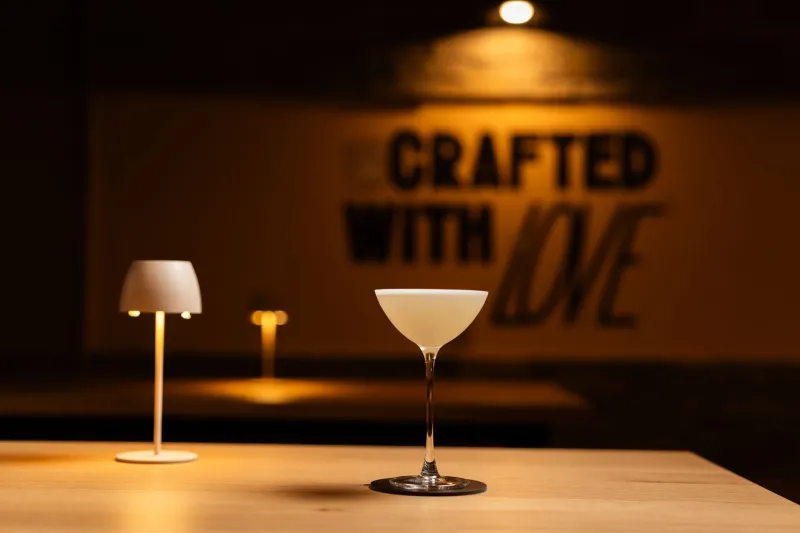
With your drink: Don't chug it. This seems obvious, but most people treat beverages as background noise to their meal. A cocktail or even a well-chosen non-alcoholic drink is part of the flavor experience. Sip between bites. Notice how the acidity in a good citrus cocktail resets your palate. That's not an accident — that's the whole point.
Why Lounges Are Getting This Right
The rise of the American food lounge isn't just a design trend or a post-pandemic shift toward comfort. It's a correction. For decades, the dining industry optimized for speed and volume. Turn tables faster. Get people in and out. Maximize revenue per square foot.
The lounge model flips that math. Longer dwell times mean more orders, more drinks, more engagement. But the side effect — the thing nobody fully planned for — is that the food actually tastes better in that context. Chefs who have moved their concepts into lounge-style formats consistently report that guests respond more positively to the same dishes they were serving before.
The food didn't change. The nervous system of the person eating it did.
That's the lounge effect in a single sentence. Eat Well, Chill Hard, Repeat — it's not just a motto. It's a recipe for actually tasting what's on your plate.
So next time you're deciding between a quick bite somewhere loud and a slower evening somewhere that actually wants you to stay, remember: you're not just choosing a meal. You're choosing how much of it you're going to taste.